
Contents
- 🎵 Origins & History
- ⚙️ How It Works
- 📊 Key Facts & Numbers
- 👥 Key People & Organizations
- 🌍 Cultural Impact & Influence
- ⚡ Current State & Latest Developments
- 🤔 Controversies & Debates
- 🔮 Future Outlook & Predictions
- 💡 Practical Applications
- 📚 Related Topics & Deeper Reading
- Frequently Asked Questions
- References
- Related Topics
Overview
Landscape photography is a genre of photography that captures the world's outdoor spaces, including natural and human-made features. It can range from vast, sweeping landscapes to microscopic details, and is often created to capture the experience of the outdoors. Landscape photographs can feature subjects such as landforms, bodies of water, weather events, and natural light, and can be used to depict the presence of nature or human interventions in the landscape. With a rich history and a wide range of applications, landscape photography is a popular and enduring genre. Notable landscape photographers include Ansel Adams, Edward Weston, and Dorothea Lange, who have all made significant contributions to the field. The genre has also been influenced by technological advancements, such as the development of digital cameras and drone photography. Today, landscape photography continues to evolve, with many photographers experimenting with new techniques and styles, such as night photography and infrared photography.
🎵 Origins & History
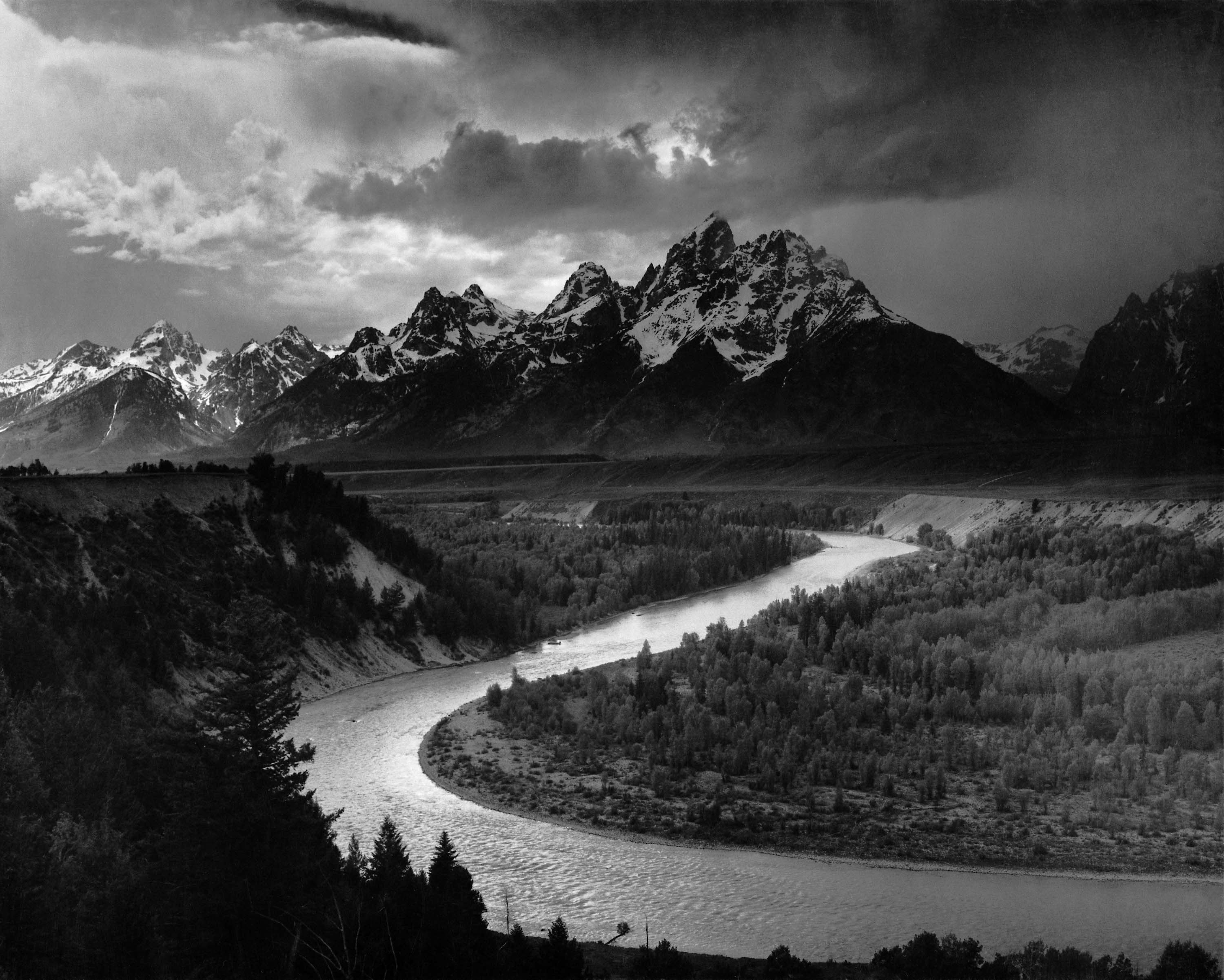
Landscape photography has a rich history, dating back to the early days of photography. One of the most influential landscape photographers was Ansel Adams, who is known for his iconic black-and-white images of the American West. Adams was a key figure in the development of the Zone System, a technique for controlling the contrast and tonal range in photographs. Other notable landscape photographers include Edward Weston and Dorothea Lange, who were both associated with the f/64 group, a collective of photographers who advocated for a more modern and experimental approach to photography.
⚙️ How It Works
Landscape photography can be a complex and challenging genre, requiring a deep understanding of lighting, composition, and technique. Photographers must often contend with harsh weather conditions, remote locations, and limited access to equipment and resources. However, the rewards of landscape photography can be great, with the opportunity to capture breathtaking images of the natural world and to convey the beauty and majesty of the landscape. Many landscape photographers use specialized equipment, such as wide-angle lenses and tripods, to capture the expansive vistas and intricate details of the landscape.
📊 Key Facts & Numbers
Some key facts and numbers about landscape photography include the fact that the genre has been around for over 150 years, with the first landscape photographs being taken in the mid-19th century. Today, landscape photography is more popular than ever, with millions of photographs being taken every year. The genre has also been influenced by technological advancements, such as the development of digital cameras and drone photography. According to a survey by the National Geographic, over 70% of photographers consider landscape photography to be one of their favorite genres.
👥 Key People & Organizations
Many notable people and organizations have made significant contributions to the field of landscape photography. These include National Geographic, which has been a leading publisher of landscape photography for over 100 years, and Sierra Club, which has been a major advocate for environmental conservation and landscape preservation. Other notable organizations include the Photographic Society of America and the International Landscape Photographers.
🌍 Cultural Impact & Influence
Landscape photography has had a significant cultural impact and influence, with many photographers using the genre to convey messages about the environment, conservation, and social justice. The genre has also been used to promote tourism and economic development, with many countries and regions using landscape photography to attract visitors and promote their natural beauty. According to a study by the United Nations, landscape photography has been shown to have a positive impact on mental health and well-being, with many people using the genre as a way to connect with nature and reduce stress.
⚡ Current State & Latest Developments
The current state of landscape photography is one of rapid change and evolution, with new technologies and techniques being developed all the time. One of the most significant trends in landscape photography today is the use of drone photography, which allows photographers to capture images from new and unique perspectives. Another trend is the use of social media platforms, such as Instagram and Facebook, to share and promote landscape photography. According to a report by the Market Research firm, the global landscape photography market is expected to grow by 10% annually over the next 5 years.
🤔 Controversies & Debates
Despite its many benefits and advantages, landscape photography is not without its controversies and debates. One of the most significant issues facing the genre today is the impact of tourism and over-visitation on sensitive and fragile ecosystems. Many photographers and conservationists are advocating for more sustainable and responsible practices, such as Leave No Trace and Responsible Tourism. Another controversy is the use of Photoshop and other image editing software to manipulate and enhance landscape photographs, with some photographers arguing that this can be misleading and deceptive.
🔮 Future Outlook & Predictions
The future of landscape photography is likely to be shaped by a number of factors, including technological advancements, environmental concerns, and changing social and cultural trends. One of the most significant trends in landscape photography today is the use of artificial intelligence and machine learning to enhance and improve images. Another trend is the use of virtual reality and augmented reality to create immersive and interactive experiences. According to a report by the Futures Research firm, the global landscape photography market is expected to reach $1.5 billion by 2025.
💡 Practical Applications
Landscape photography has many practical applications, including conservation, education, and tourism. Many photographers use the genre to promote environmental awareness and conservation, while others use it to educate people about the natural world and its many wonders. Landscape photography can also be used to promote tourism and economic development, with many countries and regions using the genre to attract visitors and promote their natural beauty. According to a study by the World Tourism Organization, landscape photography has been shown to have a positive impact on local economies and communities.
Key Facts
- Year
- 1840s
- Origin
- Europe and North America
- Category
- photography
- Type
- concept
Frequently Asked Questions
What is landscape photography?
Landscape photography is a genre of photography that captures the world's outdoor spaces, including natural and human-made features. It can range from vast, sweeping landscapes to microscopic details, and is often created to capture the experience of the outdoors. According to National Geographic, landscape photography is one of the most popular genres of photography, with over 70% of photographers considering it one of their favorites.
Who are some notable landscape photographers?
Some notable landscape photographers include Ansel Adams, Edward Weston, and Dorothea Lange. These photographers have made significant contributions to the field of landscape photography, and their work continues to inspire and influence photographers today. For example, Adams' iconic black-and-white images of the American West have been widely acclaimed, and his use of the Zone System has become a standard technique in landscape photography.
What are some common techniques used in landscape photography?
Some common techniques used in landscape photography include the use of wide-angle lenses, tripods, and neutral density filters. Photographers may also use techniques such as panorama photography and time-lapse photography to capture the dynamic and changing nature of the landscape. According to Canon, the use of wide-angle lenses can help to create a sense of depth and scale in landscape photographs, while the use of tripods can help to reduce camera shake and blur.
What are some of the challenges of landscape photography?
Some of the challenges of landscape photography include the impact of weather and lighting conditions, the need to travel to remote and inaccessible locations, and the difficulty of capturing the dynamic and changing nature of the landscape. Photographers may also face challenges such as camera equipment failure, memory card corruption, and image editing software limitations. However, with the right techniques and equipment, landscape photography can be a highly rewarding and creative genre. For example, the use of drone photography can help to capture unique and aerial perspectives, while the use of social media platforms can help to share and promote landscape photography.
What is the future of landscape photography?
The future of landscape photography is likely to be shaped by a number of factors, including technological advancements, environmental concerns, and changing social and cultural trends. One of the most significant trends in landscape photography today is the use of artificial intelligence and machine learning to enhance and improve images. Another trend is the use of virtual reality and augmented reality to create immersive and interactive experiences. According to a report by the Futures Research firm, the global landscape photography market is expected to reach $1.5 billion by 2025.
How can I get started with landscape photography?
To get started with landscape photography, you will need a camera and a tripod, as well as a basic understanding of photography techniques such as composition, exposure, and focus. You may also want to invest in a wide-angle lens and a neutral density filter, as these can help to enhance your images. It's also a good idea to research and plan your shoots in advance, taking into account factors such as weather, lighting, and location. According to Nikon, the use of a wide-angle lens can help to create a sense of depth and scale in landscape photographs, while the use of a tripod can help to reduce camera shake and blur.
What are some of the most popular destinations for landscape photography?
Some of the most popular destinations for landscape photography include Yellowstone National Park, Yosemite National Park, and Grand Canyon National Park in the United States, as well as Banff National Park and Jasper National Park in Canada. These destinations offer a wide range of landscapes and features, from mountains and forests to rivers and lakes. According to Travel + Leisure, these destinations are among the most popular and iconic locations for landscape photography, and offer a unique and unforgettable experience for photographers.
How can I improve my landscape photography skills?
To improve your landscape photography skills, it's a good idea to practice regularly and to experiment with different techniques and styles. You may also want to take a workshop or class to learn from other photographers and to get feedback on your work. It's also a good idea to study the work of other landscape photographers, and to learn from their experiences and techniques. According to Photography Life, the use of online resources and tutorials can help to improve your skills and knowledge, and can provide a valuable learning experience for photographers of all levels.